
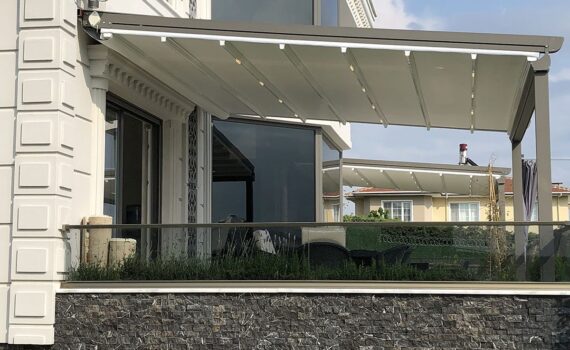
Demonte Pergola: Kolay ve Hızlı Montaj İpuçları İşte bir özet: Demonte Pergola Nedir ve Neden Tercih Edilir? Demonte […]
pergola design
1 post
Pergola Design
Pergola design is an essential aspect of enhancing outdoor spaces, providing both aesthetic appeal and functional benefits. A well-designed pergola can serve as a beautiful focal point in gardens, patios, and backyards, while also offering shade and protection from the elements. Here are key considerations and elements to keep in mind when designing a pergola.
1. Purpose and Functionality
- Shade and Comfort: The primary purpose of a pergola is to provide shade for outdoor areas. When designing, consider the sun’s position and how much shade you want at different times of the day.
- Structure for Plants: Pergolas can also support climbing plants, adding greenery and beauty. Designing with this in mind can create a natural canopy.
2. Style and Aesthetics
- Architectural Style: Choose a design that complements the existing architecture of your home. Whether modern, traditional, or rustic, the style should harmonize with the surroundings.
- Materials: Common materials include wood, metal, and vinyl. Each material offers a different aesthetic and maintenance level. For example, wood provides a warm, natural look, while metal can lend a more contemporary feel.
3. Size and Scale
- Proportions: The size of the pergola should be proportional to the outdoor space. A large backyard can accommodate a bigger structure, while a small patio may require a more compact design.
- Height Considerations: Taller pergolas can create an open feeling, while lower structures can offer intimacy. Consider the intended use of the space when determining height.
4. Customization Options
- Roof Design: The roof can be designed in various styles, such as slatted, solid, or retractable. Slatted roofs allow for light and air while providing partial shade, whereas solid roofs offer complete protection from rain.
- Lighting Features: Incorporating lighting into the design can enhance the ambiance of the outdoor space. Options include string lights, recessed lighting, or lanterns integrated into the structure.
5. Placement
- Location: Consider the best location for your pergola. It should enhance your outdoor living space, providing easy access to other areas, such as seating or dining spots.
- Landscaping: Surrounding landscaping can greatly impact the overall design. Integrate the pergola with existing trees, plants, and flowers for a cohesive look.
6. Building and Installation
- DIY vs. Professional Help: Depending on your skills and the complexity of the design, you may choose to build the pergola yourself or hire a professional. Custom designs often require expertise to ensure stability and durability.
- Foundation: A solid foundation is crucial for the longevity of the pergola. Depending on the material and size, this could involve concrete footings or anchors.
Conclusion
Pergola design is a creative process that combines functionality with aesthetics. By considering purpose, style, size, and placement, you can create a beautiful outdoor structure that enhances your living space. Whether you choose a simple, elegant design or a more elaborate structure, a well-designed pergola can provide a perfect spot for relaxation and enjoyment in your outdoor areas. Embrace your creativity and design the pergola that fits your vision and enhances your home!
4o mini